
Scholar School · almuhajir.org/s/jaafarmahmudadam
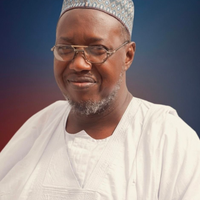
Sheikh Ja'afar Mahmud Adam
Late scholar · Allah ya jikansa (2007)
Kano, Nigeria · 2 students · 49 audio
Sheikh Ja'afar Mahmud Adam (1960 – April 13, 2007) was a prominent Nigerian Islamic scholar, teacher, and salafi cleric based in Kano. He was widely respected across West Africa.
About
Sheikh Ja'afar Mahmud Adam was born on February 12, 1960, in the historical town of Daura, Katsina State, Nigeria. Growing up in a family deeply rooted in Islamic tradition, he began his Quranic education under the traditional Almajiri system.
During his youth, he moved to Kano State to further his religious pursuits. He demonstrated an exceptional capacity for Islamic sciences, successfully memorizing the entire Holy Quran by 1978.
Formal and Higher Education
To bridge his traditional Islamic foundation with formal academic structures, Sheikh Ja'afar pursued adult and western education alongside higher Islamic studies:
• Adult & Language Literacy: He attended the Egyptian Cultural Center in Kano, completing a certificate course in Arabic, and later enrolled in adult education classes to master the English language.
• Secondary Education: In 1984, he gained admission into the Government Teachers' College, Gwale (later renamed the Government Arabic College, Gwale), graduating as a top-performing student in 1988.
• University Degree: In 1989, he secured admission into the prestigious Islamic University of Madinah in Saudi Arabia. He specialized in the Faculty of Quran and Islamic Studies, graduating with his bachelor's degree in 1993.
• Postgraduate Studies: Seeking to further advance his scholarship, he traveled to Sudan to pursue postgraduate studies at the International University of Africa in Omdurman.
Academic Lineage & Influences
Throughout his studies, Sheikh Ja'afar learned from prominent local and international Islamic scholars. His notable teachers included Sheikh Dr. Ahmad Muhammad Ibrahim (Ahmad Bamba), Sheikh Abdul-Aziz Ali al-Mustafa, Malam Nuhu Dandago, and Sheikh Abubakar Jibrin.
His theological perspective aligned with the Sunni-Salafi methodology, heavily influenced by the legal and theological traditions of classic scholars like Ibn Taymiyyah and Muhammad ibn Abd al-Wahhab, as well as the modern Nigerian Islamic reformer Sheikh Abubakar Gumi.
Career, Teachings, and Ideology
Upon returning to Nigeria from Madinah, Sheikh Ja'afar established the Usman Bin Affan Islamic Centre in Kano, which became fully autonomous by 1995. The centre served as his main platform for tutoring hundreds of students.
He rose to prominence as a frontline scholar within the Jama'at Izalatil Bid'ah Wa Iqamatis Sunnah (the Izala movement). His dawah (preaching) was characterized by a distinct focus on Tafseer (Quranic exegesis), Hadith studies, and Tawhid (Islamic monotheism), emphasizing a return to the pristine practices of the Prophet Muhammad and warning against innovations (bid'ah).
For over 13 years, his annual Ramadan Tafseer sessions at the Indimi Mosque in Maiduguri, Borno State, drew thousands of attendees and broad radio coverage, cementing his influence across West Africa. He also introduced humanitarian initiatives, including Ramadan prison visitations to teach and support inmates.
Social Advocacy and Confrontation with Boko Haram
Sheikh Ja'afar was a fearless advocate for the masses. He frequently used constitutional arguments and scientific proofs to demand religious freedom and urge the Nigerian government to provide better welfare programs for the poor.
Critically, he was one of the earliest and most vocal opponents of Boko Haram ideology. Long before the sect turned fully to violent insurgency, Sheikh Ja'afar engaged in public debates against its co-founder, Mohammed Yusuf. He warned the Nigerian government and the public that Yusuf's extremist teachings against Western education and governance were a dangerous misinterpretation of Islam that would lead to catastrophic bloodshed.
Assassination and Legacy
On the dawn of Friday, April 13, 2007, tragedy struck. While Sheikh Ja'afar was leading the Subh (Fajr) morning prayers at the Dorayi Juma'at Mosque in Kano, unidentified gunmen stormed the mosque and shot him dead. He died at the age of 47. He was laid to rest at the Dorayi Cemetery in Kano amidst widespread national mourning.
Though his death initially remained a mystery, statements released years later by Boko Haram splinter leaders (such as Abu Musab al-Barnawi in 2018) confirmed that the group assassinated him due to his fierce opposition to their extremist ideology.
Sheikh Ja'afar's legacy endures across Nigeria, Niger, Chad, and Cameroon. His audio recordings, digital Tafseer archives, and students—including notable modern scholars like Dr. Abdallah Usman Gadon Kaya and Sheikh Sani Abdullahi Alhamidi Dorayi—continue to propagate his teachings.
Education
1. Early Quranic Schooling (Traditional Almajiri) • Start in Daura: He began his education in his hometown of Daura under his mother's guidance before moving to a traditional Makarantar Allo (table school). • Migration to Kano: In 1971, he moved to Kano to study under Malam Haruna, a prominent Quranic teacher. • Quranic Memorization: He completely memorized the Holy Quran by 1978 under the tutelage of Malam Abubakar Ali (Malam Bako). 2. Foundational Arabic and Adult Literacy • Egyptian Cultural Center: He attended evening classes at the Egyptian Cultural Center in Kano to build a formal foundation in Arabic grammar and literacy. • Adult Education Classes: To acquire Western literacy, he enrolled in the classes organized by the Kano State Agency for Mass Education, where he learned to read and write English. 3. Formal Secondary Education • Government Teachers' College, Gwale: In 1984, he skipped primary school and gained direct entry into the Government Arabic College (then Gwale Teachers' College) due to his advanced Arabic literacy and Quranic memory. • Graduation: He graduated with his secondary school certificate in 1988, finishing as a top student. 4. Higher International Education • Bachelor's Degree (Saudi Arabia): In 1989, he gained admission into the prestigious Islamic University of Madinah. He studied in the Faculty of the Holy Qur'an and Islamic Studies, graduating with a Bachelor of Arts degree in 1993. • Postgraduate Studies (Sudan): He later traveled to Sudan to pursue postgraduate studies in Islamic Jurisprudence at the International University of Africa in Omdurman. 5. Notable Mentors and Traditional Scholars While pursuing his formal degrees, he also sat in the private circles (Halqat) of prominent Islamic jurists and scholars, including: • Sheikh Dr. Ahmad Muhammad Ibrahim (Ahmad Bamba) (Hadith specialist) • Sheikh Abdul-Aziz Ali al-Mustafa • Malam Nuhu Dandago • Sheikh Abubakar Jibrin
Teachers
• Sheikh Dr. Ahmad Muhammad Ibrahim (Ahmad Bamba) (Hadith specialist) • Sheikh Abdul-Aziz Ali al-Mustafa • Malam Nuhu Dandago • Sheikh Abubakar Jibrin
Institutions
Usman Bin Affan Islamic Centre (Kano), Usman Bin Affan Islamic Trust Al-Uthaimin Islamic Centre Network (Affiliate Oversight)
Areas of knowledge
aqidah, arabic, daawah, family, fiqh, hadith, seerah, tafsir
Languages
Hausa, Arabic, English
No books yet
Books appear here when a School publishes them.